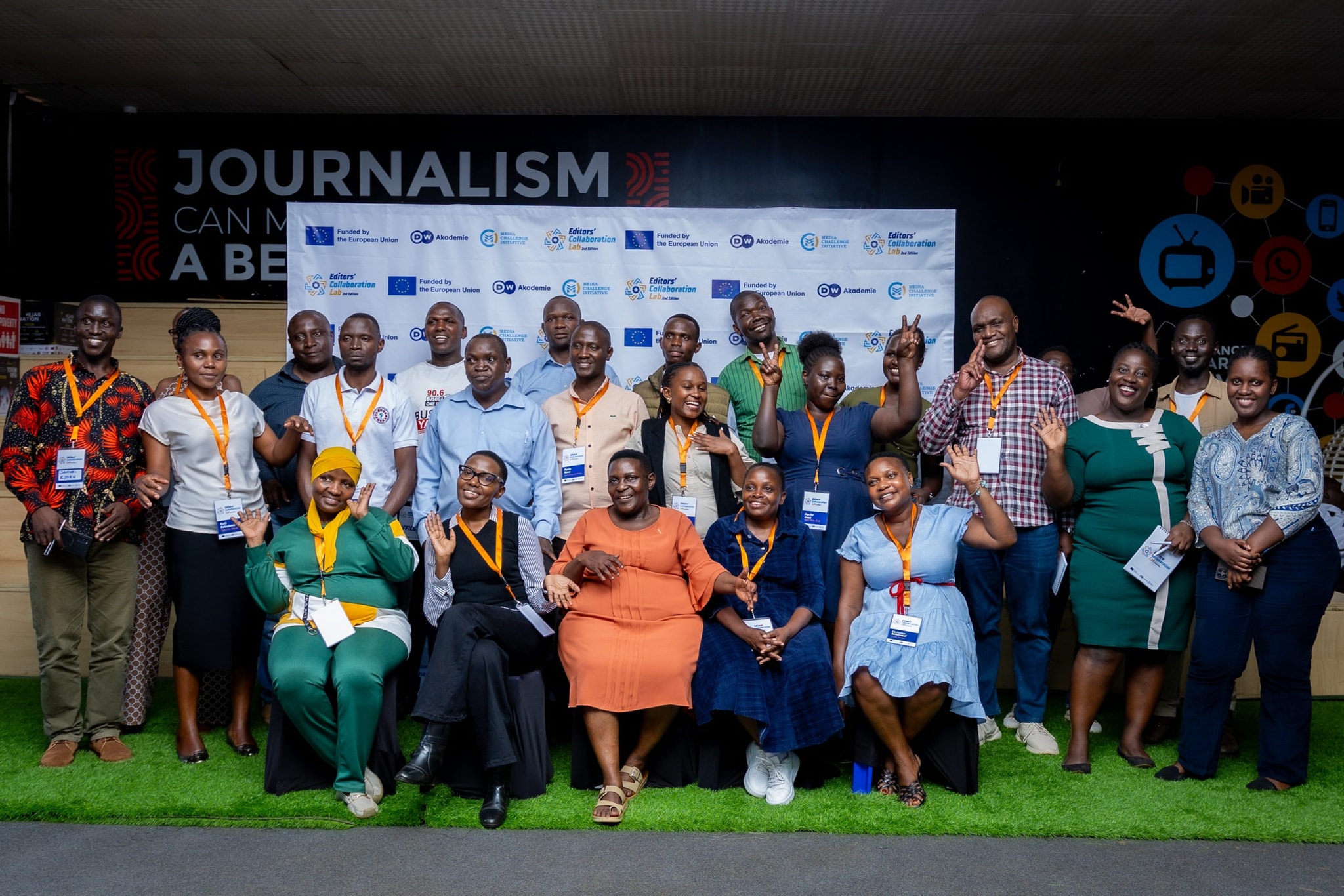
Kampala – Editors from across Uganda came together for the second edition of the Editor Collaboration Lab, a one-day gathering that continued the conversation on how newsrooms can work together to strengthen public interest journalism.
Held at MCI Media Hub, the Lab brought together 30 experienced and emerging editors from urban and rural media houses. It built on the exchange and connections established at the first edition, giving participants a chance to deepen those relationships and move them toward practical collaboration.
Editors shape newsroom priorities and standards, and play a key role in ensuring journalism serves the public interest. Yet editors, particularly those in rural and regional media houses, often have limited opportunities to exchange ideas, access mentorship and collaborate with colleagues elsewhere. That isolation has consequences: important accountability stories from rural districts can go underreported when rural and urban newsrooms have few opportunities to work together.
The Lab was designed to close that gap. Throughout the day, participants shared newsroom insights, compared the realities of editing in different settings, and explored how rural and urban newsrooms can partner on stories that matter to communities and the wider public.
Sessions covered fact checking, media viability and AI integration into newsrooms . Participants also engaged in group discussions and identified commitments to share story ideas or even collaborate on stories.
For editors from regional newsrooms, the Lab offered access to mentors they would otherwise rarely meet. For their urban counterparts, it opened a clearer view of the stories and context held by local editors.
The Editor Collaboration Lab is in partnership with the DW Akademie and the European Union.
